Source Custom Logo Santa Christmas Hat for Parties and Events
Compare 30 listings for custom logo Santa Christmas hats featuring classic fits, soft materials, and various printing options. Buyers can evaluate suppliers based on MOQs, customization capabilities, and material choices for holiday celebrations.
Key considerations
Products List





Comprehensive Sourcing Guide
Strategic Sourcing Guide for Custom Logo Santa Christmas Hats
Understanding Product Specifications and Material Variations
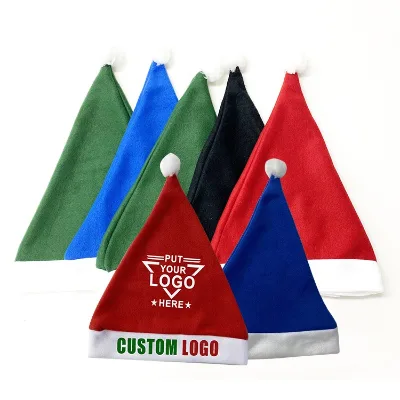
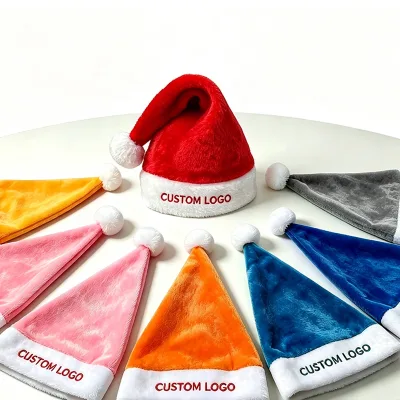
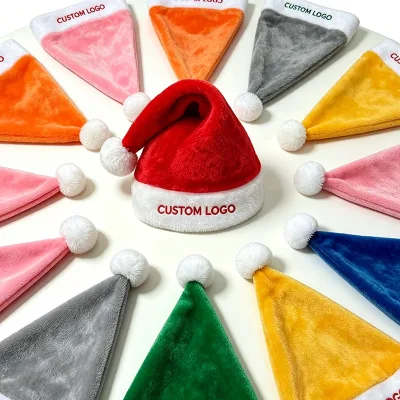
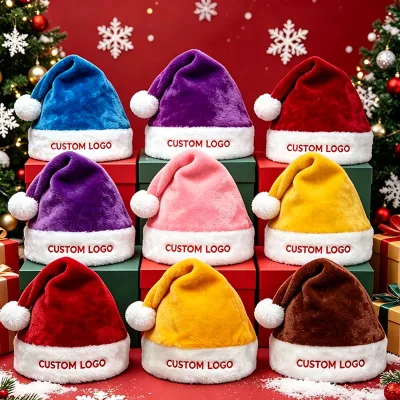
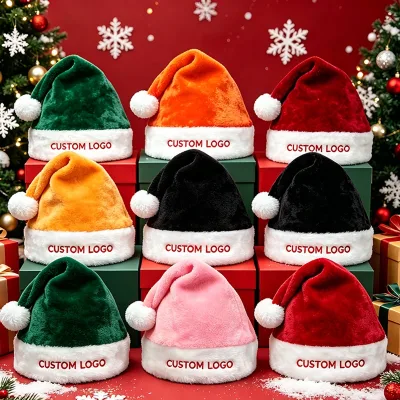
When sourcing custom logo Santa Christmas hats, buyers must first navigate the diverse range of material compositions and structural specifications available in the current market. The product category is not monolithic; rather, it encompasses several distinct variants defined by their construction and intended use. Based on observed product data, the primary material options include non-woven fabrics, felt, thick velvet material, and 100% polyester. Each material offers different tactile qualities and durability profiles. Non-woven options are often selected for their lightweight nature and cost-effectiveness, while thick velvet and felt materials provide a more traditional, premium aesthetic suitable for high-quality holiday decorations.
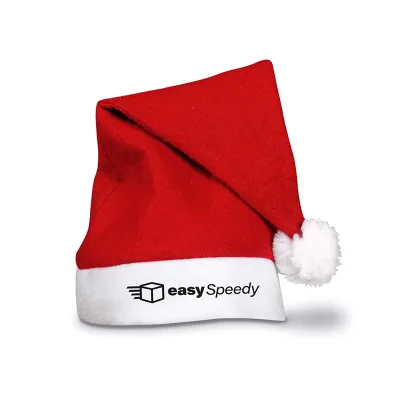
The structural design of these hats is equally critical for procurement planning. The standard configuration typically features a classic fit with a distinct shape that includes a pom-pom at the apex. The edge construction is generally sewn to ensure durability and a clean finish. Buyers should note that sizing is a primary variable, with suppliers offering options for both adult and kid sizes, as well as "free size" configurations that aim to accommodate a broad demographic. The model numbers associated with these products often indicate specific features, such as "Plush Christmas Hat," "Light Up Santa Cap," or "Sublimation Christmas Hat," which directly influence the manufacturing process and final product characteristics.
| Feature Category | Common Specifications Observed | Procurement Consideration |
|---|---|---|
| Material Composition | Non-woven, Felt, Thick Velvet, 100% Polyester | Verify hand-feel and durability requirements against the specific event or usage. |
| Hat Fit & Shape | Classic Fit, Shape with POM POM | Ensure the silhouette matches the brand identity or event theme. |
| Sizing Options | Adult, Kid, Free Size | Confirm size charts to prevent inventory mismatches for different age groups. |
| Edge Construction | Sewn Edge | Check for loose threads or uneven stitching during quality inspection. |
| Base Style | Classic, Dobby, Custom Christmas Santa Hat | Align the style with the overall holiday collection or marketing campaign. |
Understanding these specifications is the first step in defining the technical requirements for a purchase order. Buyers should explicitly state whether they require the "Classic Fit" or a specific "Dobby" style, as these terms denote distinct weaving or manufacturing techniques that affect the final look and feel of the product.
Customization Capabilities and Branding Integration
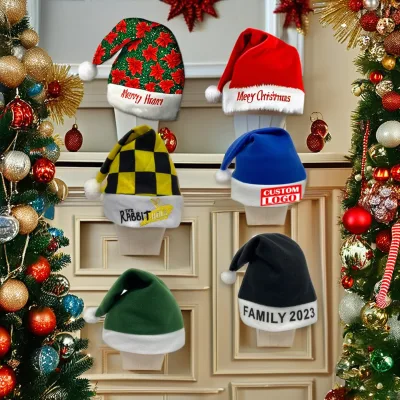
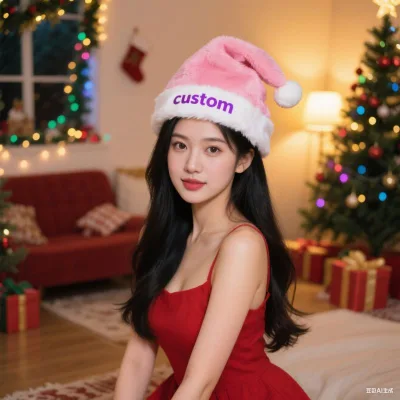
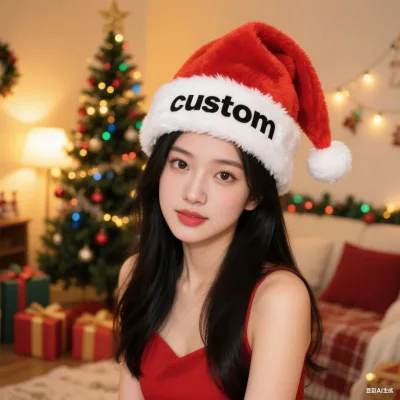
A primary driver for sourcing this product category is the ability to apply custom branding. The market supports a wide array of customization methods, allowing buyers to integrate logos and designs effectively. The most frequently observed printing and application techniques include silk screen printing, heat transfer printing, digital printing, and embroidery. Some suppliers also offer sublimation printing, which is particularly suitable for polyester-based materials to achieve vibrant, full-color designs that do not crack or fade easily.
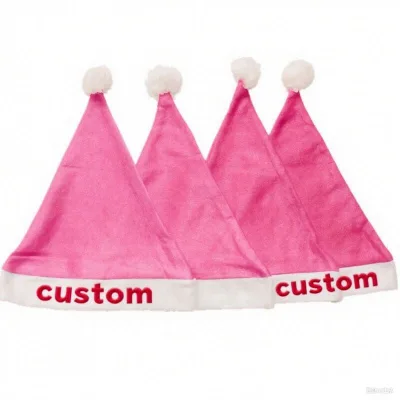
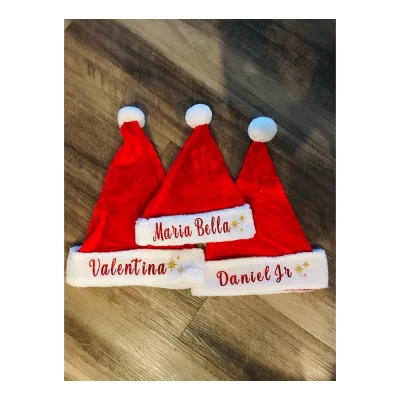
The flexibility of logo application is a significant advantage for B2B buyers. Suppliers generally accept any custom logo for personalized Santa hats, with options ranging from simple silk screen prints to complex embroidery. The choice of technique often depends on the material selected; for instance, embroidery may be preferred for felt or velvet to add texture, while digital printing might be better suited for non-woven or polyester fabrics requiring detailed graphics. Buyers must verify the specific capabilities of their chosen supplier regarding the complexity of their logo. While "Accept Any custom logo" is a common claim, the physical limitations of the fabric and the chosen printing method must be considered to ensure the final output meets quality expectations.
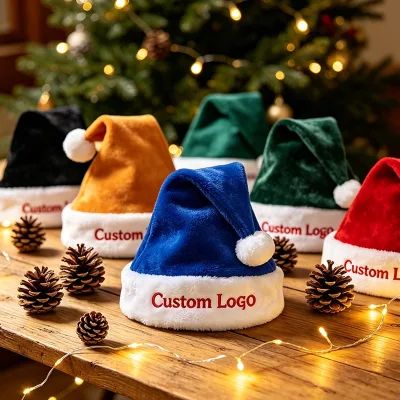
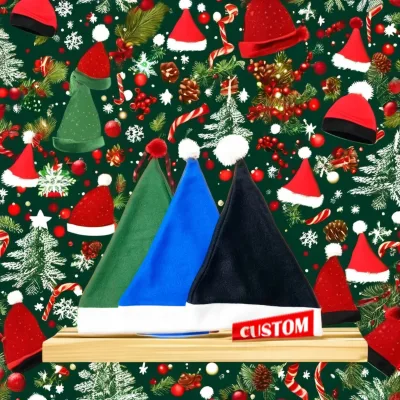
Furthermore, the customization process often extends beyond just the logo. The product type is frequently listed as "Custom Christmas Hats," indicating that color and design elements can be tailored. Observed color options include red, black, green, blue, yellow, purple, grey, army green, navy, orange, pink, and sky blue. This variety allows buyers to align the hats with specific corporate color schemes or thematic requirements for holiday parties and festivals. However, buyers should confirm that the selected color is available in the specific material they intend to order, as dyeing capabilities vary between non-woven and velvet materials.
Cost Drivers and Economic Factors in Procurement
The economic landscape for custom Santa hats is influenced by several key variables, including material selection, customization complexity, and order volume. The observed price range for these items in the market is quite broad, typically falling between $0.10 and $2.00 USD per unit. This variance is primarily driven by the material cost; thick velvet and plush materials generally command a higher price point compared to standard non-woven options. Additionally, the complexity of the printing or embroidery process adds to the unit cost. Embroidery, for example, involves more labor and machine time than simple silk screen printing, which can impact the final price.
Minimum Order Quantity (MOQ) is another critical economic factor. Data indicates an observed MOQ range of 5 to 2000 units, with a specific high-confidence fact noting an MOQ of 20 pieces for decoration Santa hats. This wide range suggests that suppliers cater to both small-scale buyers and large corporate procurement teams. Buyers with smaller budgets or testing needs may find the lower end of the MOQ spectrum attractive, while those planning large-scale distribution for festivals or retail chains will need to negotiate volumes that maximize economies of scale.
It is important to note that the "Single volume" and "Single gross weight" for some listed items appear as zero or negligible values in certain datasets, which may indicate that these are placeholder values or that the weight is calculated differently based on the specific packaging. Buyers should not rely on these specific zero values for logistics planning. Instead, they must request actual weight and volume data from the supplier to calculate accurate shipping costs. The packaging method, whether bulk or individual, also plays a role in the final landed cost, as individual packaging adds material and labor expenses but may be necessary for retail presentation.
Compliance, Safety, and Quality Verification Standards
While specific certification statuses and numerical test results are not universally provided in the general product listings, buyers must exercise due diligence regarding safety and compliance. The product is intended for use in festivals, parties, and Christmas celebrations, often involving children. Therefore, verifying that the materials meet relevant safety standards for toys and children's wear is essential. Buyers should inquire about the flammability ratings of the felt and non-woven materials, as well as the toxicity levels of the inks used in silk screen and digital printing processes.
Although the provided data mentions "O/S" as a product standard, this is a generic designation and does not constitute a specific safety certification like ASTM or EN71. Buyers should explicitly request documentation confirming that the hats comply with the safety regulations of their target market. This includes checking for the absence of hazardous substances and ensuring that any small parts, such as the pom-pom, are securely attached to prevent choking hazards.
Quality control should also focus on the construction details. The "Hand Wash Only" care instruction is a critical specification that buyers must communicate to end-users. This limitation affects the product's suitability for certain applications, such as events where frequent cleaning might be required. Buyers should verify the durability of the stitching and the adhesion of the printed logos. A "High Quality" and "Soft" feature is frequently advertised, but these are subjective observations. To validate these claims, buyers should request physical samples to assess the softness of the material and the robustness of the sewn edges.
Supplier Evaluation and Operational Capabilities
Selecting the right supplier requires a thorough evaluation of their operational capabilities and geographic footprint. The supply chain for these hats is primarily centered in China, with specific origins noted in Hubei and Zhenjiang. These locations are known for textile manufacturing, but buyers should verify the specific factory capabilities of the supplier they choose. The presence of multiple model numbers, such as "JMP-SDM," "Fast Shipping Christmas Hat," and "kimtex-357," suggests that suppliers may have diverse product lines or that these are internal SKUs used to differentiate between similar items.
When evaluating suppliers, buyers should look for evidence of consistent production quality and the ability to handle customization requests. The ability to offer "Customized" products with "Embroidery or Print" options indicates a flexible manufacturing setup. However, buyers must ensure that the supplier has the capacity to meet their specific volume requirements without compromising quality. The observed "High Quality" and "In Stock" attributes suggest that some suppliers maintain inventory, which can reduce lead times. However, for custom orders, lead times will vary based on the complexity of the design and the production schedule.
Buyers should also assess the supplier's communication and responsiveness. The ability to provide accurate information regarding material composition, printing techniques, and packaging options is a strong indicator of a reliable partner. Since the product is often used for seasonal events, timing is crucial. Buyers should verify the supplier's ability to meet delivery deadlines, especially given the seasonal nature of Christmas products. While specific lead times are not provided in the general data, buyers should negotiate clear timelines that account for production, quality checks, and shipping.
Long-Term Procurement and Application Strategy
The strategic value of sourcing custom logo Santa hats extends beyond a single transaction. These products are versatile tools for brand promotion, employee gifting, and event decoration. The "Usage" category includes "Christmas Celebrating," "Decoration," and "Daily Use," highlighting their broad applicability. For long-term procurement, buyers should consider the potential for repeat orders and the ability to scale production as their brand grows.
The "Windproof" and "Washable" features, while noted in some product descriptions, should be verified for each specific material. If a buyer intends to distribute these hats for outdoor events, wind resistance becomes a critical factor. Similarly, if the hats are intended for repeated use, the washability and durability of the print become paramount. Buyers should develop a relationship with a supplier that can offer consistent quality over multiple seasons, ensuring that the brand image remains consistent.
Furthermore, the customization aspect allows for innovation in future product lines. As technology advances, new printing techniques may become available, offering better color fidelity or more sustainable materials. Buyers should stay informed about these developments and maintain open lines of communication with their suppliers to explore new options. The "Special Features" of the hats, such as the "Light Up Santa Cap" or "Plush" variations, offer opportunities to differentiate products in a crowded market. By strategically selecting these features, buyers can create unique value propositions for their customers.
In conclusion, sourcing custom logo Santa Christmas hats requires a balanced approach that considers technical specifications, customization needs, cost drivers, and supplier reliability. By carefully evaluating the material options, verifying safety and quality standards, and establishing strong supplier relationships, buyers can secure high-quality products that meet their specific requirements and enhance their holiday marketing efforts. The flexibility of the market, with its wide range of materials, colors, and printing techniques, provides ample opportunity for buyers to create distinctive and effective promotional items.
FAQs
What materials are used for custom logo santa christmas hats?
These hats are typically made from non-woven fabric, felt, thick velvet, or 100% polyester. Buyers should verify the specific material choice as it affects the texture and durability of the final product for their event.
Can I add a custom logo to these Christmas hats?
Yes, suppliers accept any custom logo for personalized Santa hats using methods like embroidery, silk screen printing, or digital printing. The best technique depends on the chosen material and the complexity of the design.
What is the minimum order quantity for these hats?
The minimum order quantity ranges from 5 to 2000 pieces, with some specific decoration Santa hats requiring a minimum of 20 pieces. Buyers should confirm the exact MOQ with their chosen supplier before placing an order.
How should I care for the custom Santa hats?
The care instructions specify that these hats require hand washing only to maintain their shape and quality. Buyers must communicate this limitation to end-users to prevent damage during cleaning or frequent use.
Which sizes are available for custom Christmas hats?
Suppliers offer sizing options for both adults and kids, as well as free size configurations. It is essential to confirm the size chart with the manufacturer to ensure the hats fit the intended demographic correctly.
What colors can be selected for these Santa hats?
Available colors include red, black, green, blue, yellow, purple, grey, and various shades like navy and army green. Buyers should verify that their preferred color is available in the specific material they intend to order.